
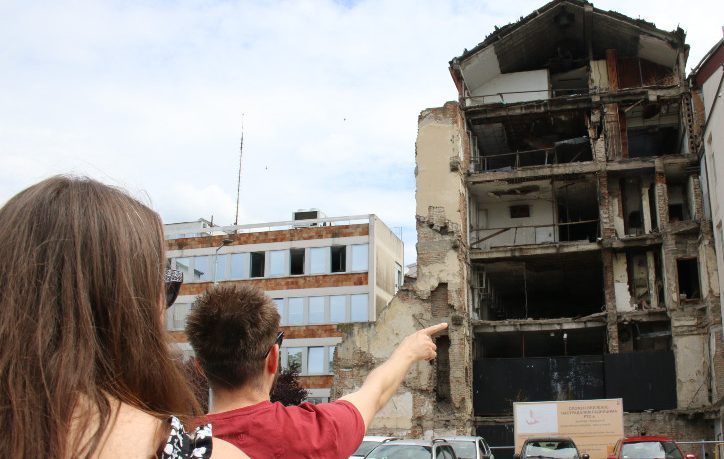
Why travelers ask about 1999
Many travelers arrive in Serbia knowing that something significant happened in 1999, but without a clear understanding of what exactly took place — or why.
The most common question is straightforward:
“Why was Serbia bombed?”
Others usually follow:
“Was Belgrade really targeted?”
“Were civilians affected?”
“How do people here feel about it today?”
Unlike older historical topics, this is recent. People you meet remember it personally. That alone changes the tone of the conversation.
What happened (short, factual overview)
In March 1999, NATO launched an air campaign against the Federal Republic of Yugoslavia. The operation lasted 78 days, ending in June.
The intervention was carried out without approval from the United Nations Security Council, which is why it remains legally and politically contested.
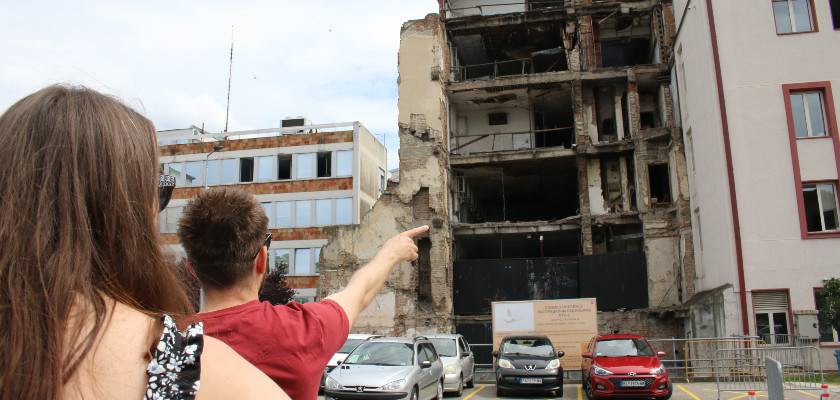
Airstrikes targeted military and strategic infrastructure, but also hit bridges, factories, media buildings, and other sites across the country. In Belgrade, multiple locations were struck, including government buildings and the headquarters of Radio Television of Serbia.
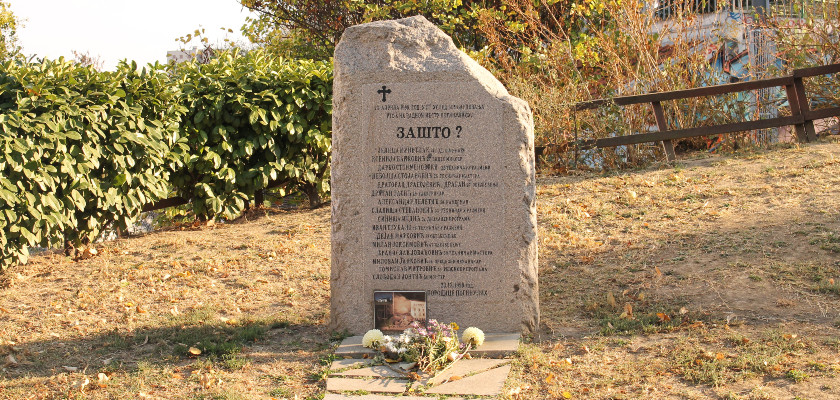
Civilians were directly affected. People were killed in their workplaces, in media buildings, in passenger trains, and in residential areas. For many here, that is not a secondary detail — it is central to how the bombing is remembered.
During the campaign, ammunition containing depleted uranium was used in certain areas, which remains a long-term concern and a subject of ongoing public discussion.
For visitors, the key point is simple: this was a large-scale bombing campaign with direct human consequences.
Why did the bombing happen?
NATO stated that the intervention was aimed at stopping the conflict in Kosovo and preventing further humanitarian crisis.
At the same time, from the perspective in Serbia, the bombing is often understood differently — as a illegitimate military action carried out without UN approval, against a sovereign country, with consequences that went beyond military targets.
There is no single explanation that everyone agrees on.
But in everyday conversations here, the focus is usually not on political justification — it’s on what people experienced during those 78 days.
Do Serbs hate Americans because of the bombing?
This is one of the more uncomfortable questions travelers ask — but also one of the most important to address clearly.
The short answer is: no.
Most people in Serbia make a clear distinction between governments and ordinary people. The bombing is associated with political decisions, not with individuals or visitors.
You will not feel unwelcome in Belgrade because you are American. On the contrary, many visitors are surprised by how open and direct conversations can be once the topic comes up.
At the same time, this doesn’t mean the events of 1999 are forgotten or viewed lightly. The memory is still there — but it coexists with a generally welcoming attitude toward foreigners.
What it feels like locally
This is still a sensitive topic here, and for many people, not just history.
If you ask someone in Belgrade about 1999, you’re asking about something they remember — air raid sirens, disrupted daily life, and weeks where uncertainty became part of everyday routine.
It’s not something people bring up casually, but it hasn’t been forgotten or neutralized over time.
There isn’t one single narrative, but there is a shared understanding that this was a serious period, marked by disruption, fear, and loss.
For visitors, the key difference is this:
This is not distant history. It’s lived memory.
Places in Belgrade that still reflect this history
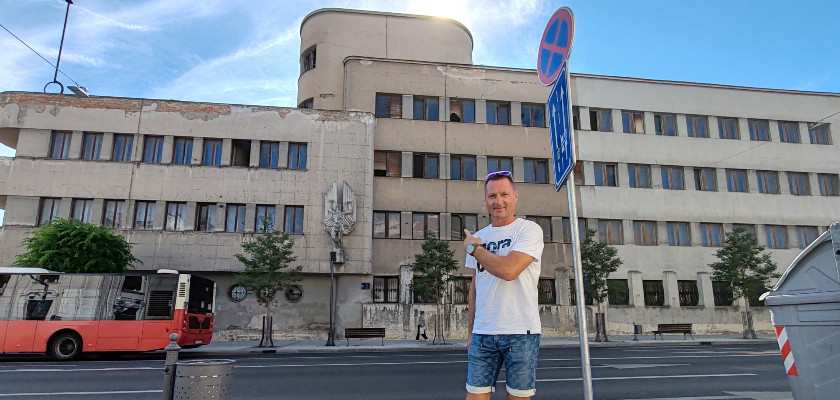
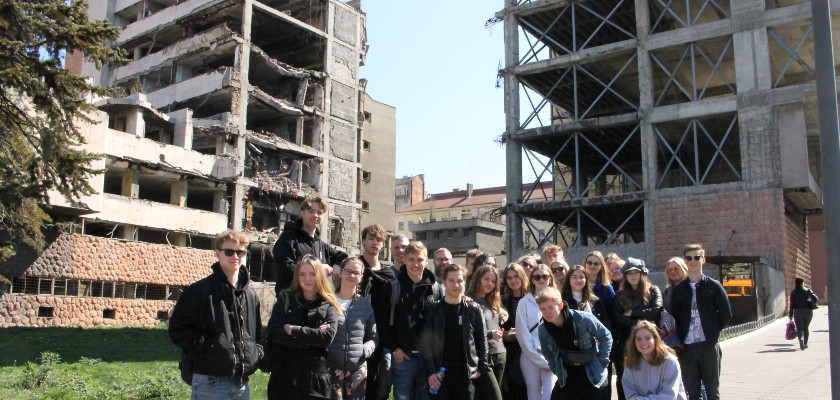
There are several locations in Belgrade where this period is still visible:
- General Staff buildings (Ministry of Defense complex) – heavily damaged structures that remain one of the most recognizable symbols of the bombing
- RTS building – site where 16 people were killed during a night shift; part of the building remains as a memorial
- Former Chinese Embassy site – one of the most controversial strikes, where four Chinese citizens died
- Other locations across the city – while much has been rebuilt, certain places still carry visible or symbolic traces
These places are not presented as attractions, but they are part of understanding the city beyond surface level.
How we approach this on tours
It’s not a topic we turn into spectacle — but it’s also not something we avoid.
On most tours, this comes up naturally, through questions or when passing certain locations.
For travelers who want to understand this period in more depth, we offer a dedicated experience — NATO Bombing Belgrade Tour — focused on the places and context of the 1999 air campaign.
Across all tours, the approach remains the same: clear facts, local perspective, and space for open questions.
Why this matters for understanding Serbia today
The events of 1999 are part of Serbia’s recent history and still influence how many people see international relations and the country’s place in the world.
But they are not the whole story.
Serbia today is shaped just as much by its culture, people, and everyday life as by its past.
Understanding 1999 adds context — but it should not be the only lens.
Final note
For many visitors, this starts as a question about history.
But once you are here, it becomes something more concrete — connected to real places and people who remember it.
That’s why it still comes up.
And why it remains part of the story of Belgrade today.
FAQ
Why did NATO bomb Serbia in 1999?
NATO stated that the intervention was aimed at stopping the conflict in Kosovo and preventing further humanitarian crisis. In Serbia, the bombing is often viewed as a illegitimate military action carried out without UN Security Council approval, with consequences that affected both military and civilian targets.
How long did the NATO bombing last?
The air campaign lasted 78 days, from March to June 1999.
Was Belgrade heavily bombed?
Yes. Several locations in Belgrade were targeted, including government buildings, infrastructure, civilian buildings, residential areas, and media facilities such as the RTS headquarters.
Were civilians killed during the bombing?
Yes. Civilians were among the victims. People were killed in workplaces, residential areas, and public infrastructure, which is a key part of how the events are remembered locally.
Can you still see damage from the bombing in Belgrade?
Yes. Some buildings, such as the former Ministry of Defense complex, still show visible damage, while other locations are marked or remembered through memorials.
Is the topic of the NATO bombing still sensitive in Serbia?
Yes. For many people, it is not just history but lived experience. It is usually discussed seriously, especially when visitors ask about it.
Do Serbs hate Americans because of the bombing?
No. Most people distinguish between political decisions and individuals. Visitors from the United States are generally welcomed, and conversations about the topic are often open and direct.
What places in Belgrade are connected to the bombing?
Key locations include the General Staff buildings, the RTS site, the former Chinese Embassy location, and other sites across the city connected to the events of 1999.
Is it appropriate to ask about the bombing during a tour?
Yes. Visitors often ask about it, and guides usually provide factual explanations and local perspective when the topic comes up.
Can visitors learn more about this topic through a guided experience?
Yes. There are dedicated tours in Belgrade that focus on the locations and context of the 1999 bombing, offering a deeper understanding through on-site explanations.