
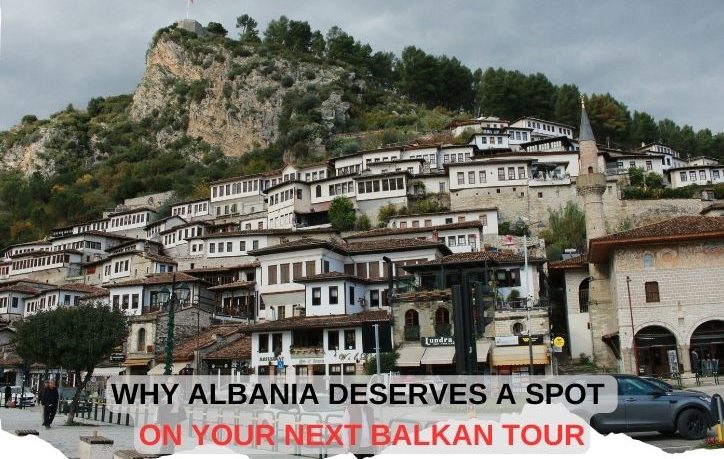
Although our tours in Albania have been running regularly over the years, this was my first opportunity in nearly six years to personally revisit the country and reassess how Albania fits into a modern Albania itinerary within the broader Balkans.. As the company has grown, much of the day-to-day touring is handled by our guides, while my role has increasingly focused on itinerary planning, partner relations, and quality control across the Balkans.
This off-season visit was intentional. It allowed me to reconnect with local partners, reassess routes we already operate, and explore new options for future Albania and Balkan itineraries. Just as importantly, it offered a clear, first-hand view of how Albania has changed in recent years.
The short version: the change is real, and it matters for travelers.
A Different Atmosphere on the Ground
One of the strongest impressions this time was the overall atmosphere. People appeared more relaxed, more open, and more comfortable than during my previous visits — not only those working in tourism, but in everyday interactions on the street, in shops, and in cafés.
This isn’t about polished service or rehearsed friendliness. It feels more like a society that has grown more confident in itself. Complaints about politics and corruption still exist, as they do across the region, but they no longer dominate daily exchanges. For visitors, this shift directly affects how travel to Albania feels in practice.
Infrastructure: A Quiet but Decisive Leap Forward
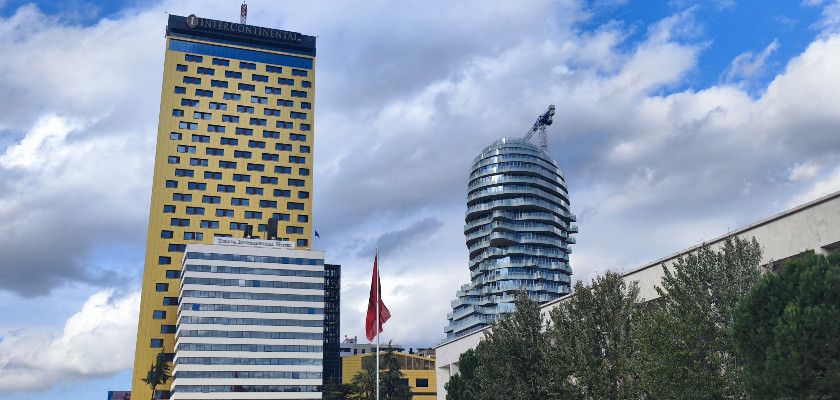
From an operational perspective, Albania has made one of the most noticeable infrastructure improvements in the Balkans over the past several years — in many cases outpacing neighboring countries.
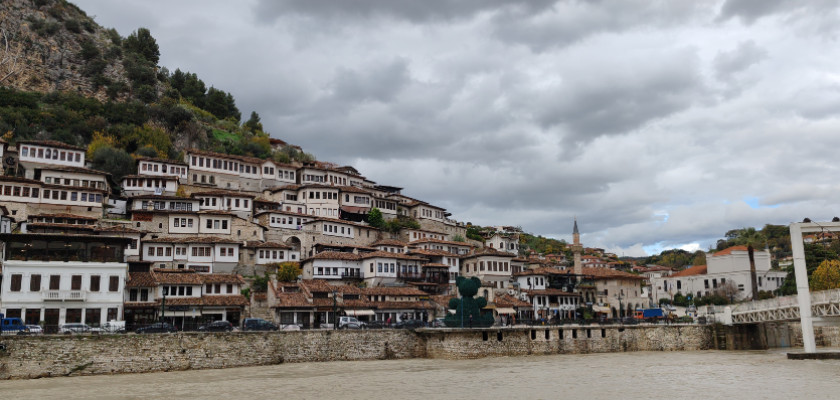
Roads are new or fully renovated, signage follows European standards, and access to major cultural sites is significantly easier. A concrete example is the approach to the fortress above Berat. In 2017, reaching it involved a steep, improvised path. Today, it is accessed via a proper road with parking and clear orientation, changing the visitor experience entirely without diminishing the character of the site.
For multi-day Balkan itineraries, this reduction in friction makes a substantial difference.
Value for Money Without Compromising Quality
Albania is no longer “cheap,” and that is not a disadvantage. What stands out today is the value-for-money ratio, which remains among the strongest in the region.
Comfortable, well-located hotels, boutique properties, and family-run accommodations are consistently priced below comparable standards elsewhere in the Balkans, particularly during peak travel periods. The same applies to dining: quality is high, portions are generous, and pricing remains grounded.
For private tours, where consistency and comfort are essential, Albania currently allows for well-balanced itineraries without unnecessary cost pressure.
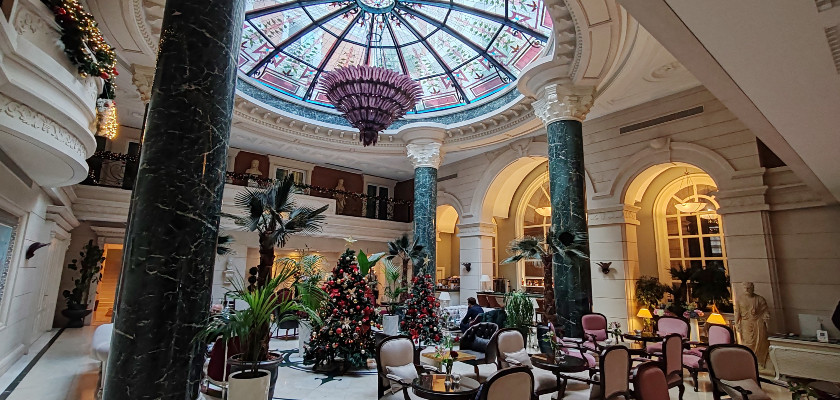
Albanian Food as a Reflection of Change
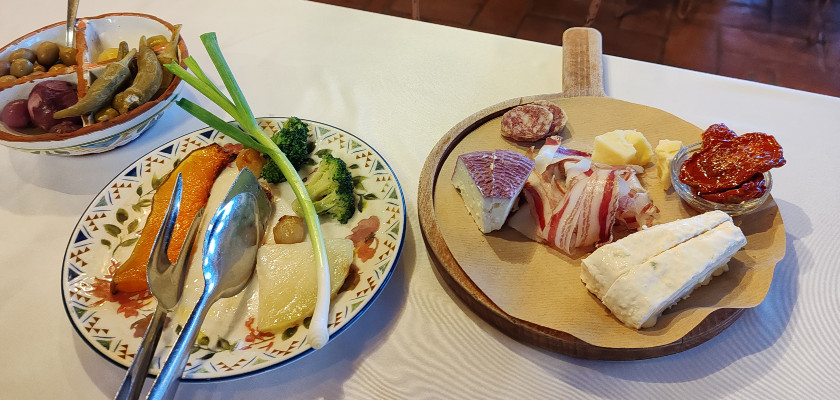
The evolution of Albanian food mirrors broader changes in the country. Traditional dishes remain central, but execution is more confident and refined than before.
A good example is Mrizi i Zanave, a farm-to-table restaurant we often include in our itineraries. Its seasonal, multi-course meals are rooted in local produce and tradition, yet delivered with consistency and care. In many European destinations, such an experience would be priced as a special occasion; in Albania, it feels closer to the cost of a relaxed family lunch.
This balance between authenticity, quality, and accessibility runs through much of the country’s current food scene.
Hospitality That Still Feels Personal
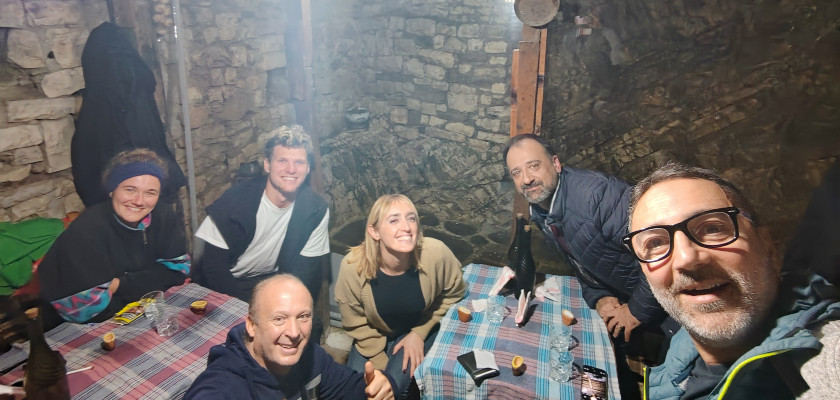
One of the most reassuring aspects of this visit was that modernization has not translated into impersonal service. Hospitality in Albania remains genuine rather than procedural.
In towns like Berat, visitors are still treated as guests, not transactions. That sense of sincerity is increasingly rare in Europe — and difficult to preserve once tourism becomes overly standardized. For now, Albania has managed to modernize without losing this essential quality.
Where Albania Fits Best in a Balkan Itinerary
Based on routes we operate and know well, Albania works particularly well within a broader Balkan itinerary, especially when focused on:
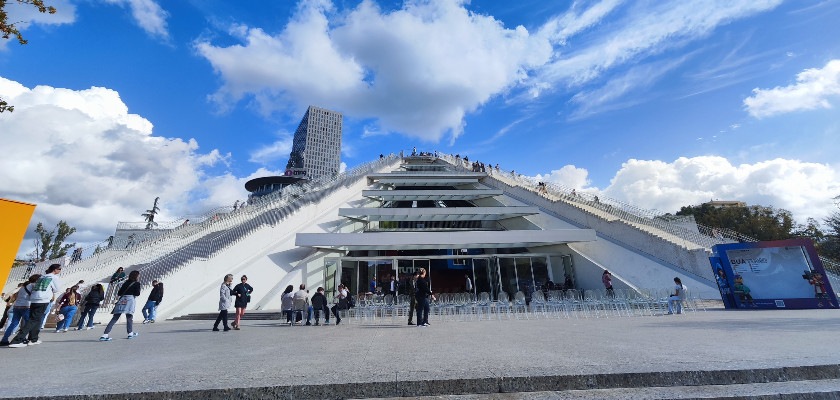
- Tirana as a lively, interpretive capital
- Berat for history and atmosphere
- Kruja for cultural context near Tirana
- Shkodra and Lezhë as natural connectors toward neighboring countries
This part of the country integrates smoothly with itineraries that include Montenegro, North Macedonia, or Serbia, adding contrast without logistical complexity.
Who Albania Is — and Isn’t — For
Albania tends to resonate most with travelers who value:
- authenticity over polish
- context over spectacle
- engagement over convenience
It may be less appealing to those seeking fully curated resort environments or predictable luxury at every step. That distinction is not a weakness — it is part of the country’s appeal.
For the right traveler, Albania often becomes the most memorable part of a Balkan journey.
FAQ – Albania Travel & Itinerary Questions
Is Albania easy to include in a Balkan itinerary today?
Yes. Infrastructure improvements and more efficient logistics make Albania straightforward to integrate into multi-country Balkan itineraries.
Has Albania changed significantly in recent years?
Yes. The most visible changes are in infrastructure, service consistency, and overall confidence, while local character remains intact.
How does Albania compare to neighboring Balkan countries in terms of value?
Albania currently offers stronger value for comparable comfort, food, and experiences than much of the surrounding region, particularly during high season.
Which parts of Albania work best for first-time visitors?
Tirana, Berat, Kruja, Shkodra, and Lezhë provide a balanced introduction without requiring extensive travel distances.
What kind of traveler enjoys Albania the most?
Curious, open-minded travelers who appreciate destinations in transition and value genuine interaction over standardized tourism.
About the Author
Miljan Miljević is the founder of Serbian Private Tours. Since 2013, he has been curating private itineraries across the Balkans, focusing on a personalized approach and authentic local experiences. His work centers on creating meaningful journeys shaped by local insight, trusted regional partners, and first-hand destination knowledge.