Serbia and Romania Private Tour: 10 Days from Belgrade to Transylvania and Bucharest
A private journey designed to make sense of Serbia and Romania through places where history still feels visible.
Tour at a Glance
DURATION
10 days, 9 nights
GETTING AROUND
Driven and walking
AVAILABILITY
On request. Year round.
DIFFICULTY
Easy for everyone
What to Expect From the Serbia and Romania Private Tour Package in 2026/27
This Serbia and Romania private tour begins at Belgrade Fortress where the Sava meets the Danube, a place that quietly explains centuries of shifting borders and empires. A few days later you glide through the Iron Gates Gorge, watching the river narrow between cliffs that separate Serbia from Romania. From there the landscape changes again — Saxon villages, medieval citadels like Sighisoara, and forested Carpathian hills surrounding castles such as Bran and Peleș. As the journey unfolds, the same river and the same history begin to tell two very different national stories.
For a similar two-country journey in the region but with a different historical setting, see our Serbia and Bosnia private tour.
Highlights
- A journey that explains two countries:
Rather than rushing between highlights, the route is designed to show how Serbia and Romania developed differently while sharing the same Danube corridor and historical influences.
- Local perspective on both sides of the border:
The journey is guided by a Serbian guide in Serbia and a Romanian guide once the tour continues into Romania. Hearing each country explained from within its own cultural and historical perspective helps travelers better understand the differences between these neighboring societies.
- Landscapes that change with the story:
The journey moves through very different environments: Danube cliffs, agricultural plains of Vojvodina, Saxon villages, and the forests of the Carpathians. These changes are not accidental — they mirror the historical transition between the Balkans and Transylvania.
- The Iron Gates experienced from the river:
Instead of only stopping at viewpoints, the tour includes a boat ride through the narrowest part of the Danube Gorge. Seeing the cliffs, Roman inscriptions, and the Decebalus rock sculpture from the water gives a much clearer sense of why this section of the river was historically so strategic.
Tour Flow
1st Day – Arrival in Belgrade
Your Serbia and Romania private tour begins with a personal welcome at Belgrade airport, train station, or bus terminal. After a short transfer to your centrally located hotel, you have time to settle in and recover from travel. Depending on your arrival time, you may choose to explore the surrounding streets of Belgrade’s historic center or enjoy a relaxed dinner along the riverside promenades.
Overnight: Hotel City Savoy 4★, Belgrade
2nd Day – Belgrade: Layers of History and Local Life
The day begins at
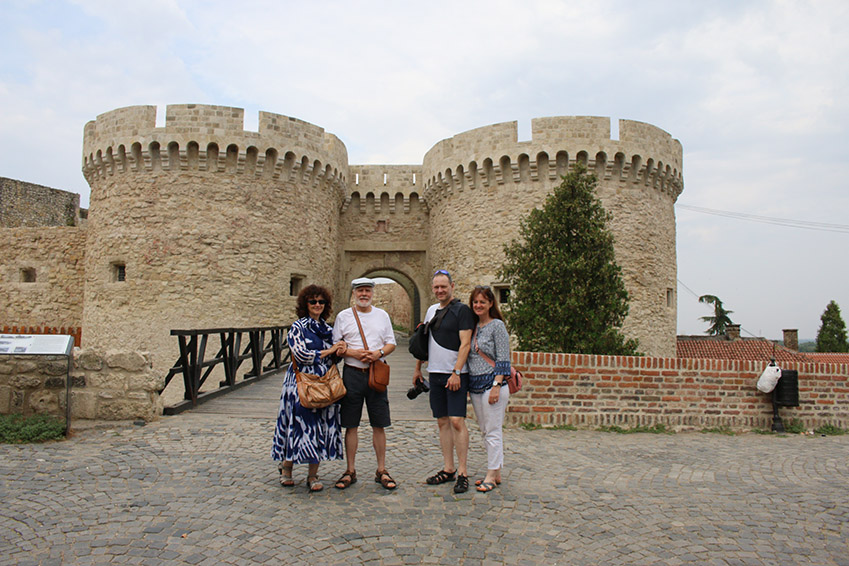
Belgrade Fortress, where the Sava and Danube rivers meet and where centuries of Ottoman and Austro-Hungarian rivalry shaped the city. Walking through the old ramparts and Kalemegdan park helps explain why Belgrade has always been strategically important. From here the tour continues to
Dedinje, home to the
House of Flowers, where the story of socialist Yugoslavia and its leader Josip Broz Tito is explained through personal artifacts and political context. Later you visit
St. Sava Temple, one of the largest Orthodox churches in the world, before lunch at a carefully selected local restaurant. In the afternoon, cross the Danube into
Zemun, once a border town of the Austro-Hungarian Empire. A walk along the riverside promenade leads to
Gardoš Hill, where panoramic views reveal the meeting point of Central Europe and the Balkans.
Overnight: Hotel City Savoy 4★, Belgrade
Day 2 Add-on: Truffle Tasting (near your hotel)
3rd Day – The Danube and the Iron Gates Gorge
Leaving Belgrade behind, the route follows the Danube east toward one of the most dramatic landscapes in Southeast Europe. The first stop is
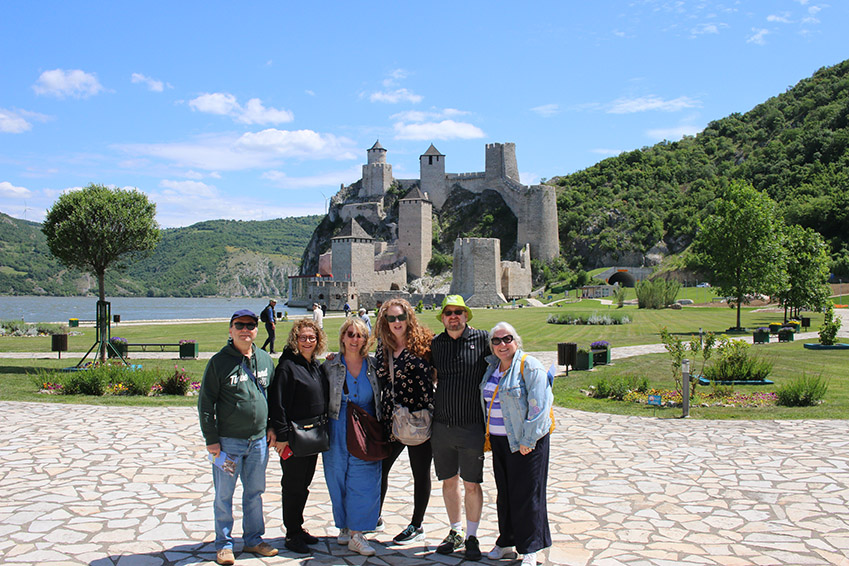
Golubac Fortress, a striking medieval stronghold built directly on the riverbank where the Danube begins to narrow into the Iron Gates gorge. Its towers rising above the water illustrate centuries of strategic battles for control of the river. Nearby, the archaeological site of
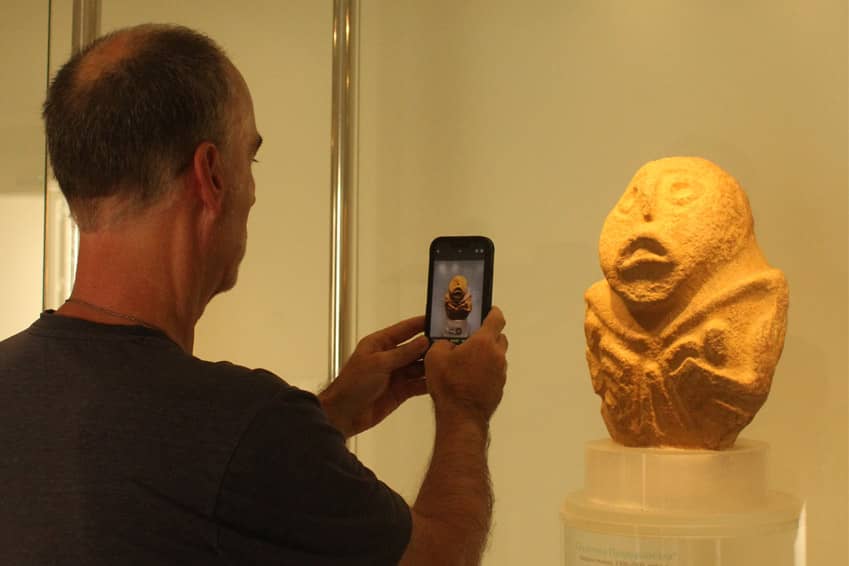
Lepenski Vir reveals a much deeper past. This prehistoric settlement, over 8,000 years old, helps explain how early communities lived along the Danube long before written history. Lunch is hosted at
Zeleni Zaliv Eco-Village, where a local family prepares traditional Serbian dishes beside the river.
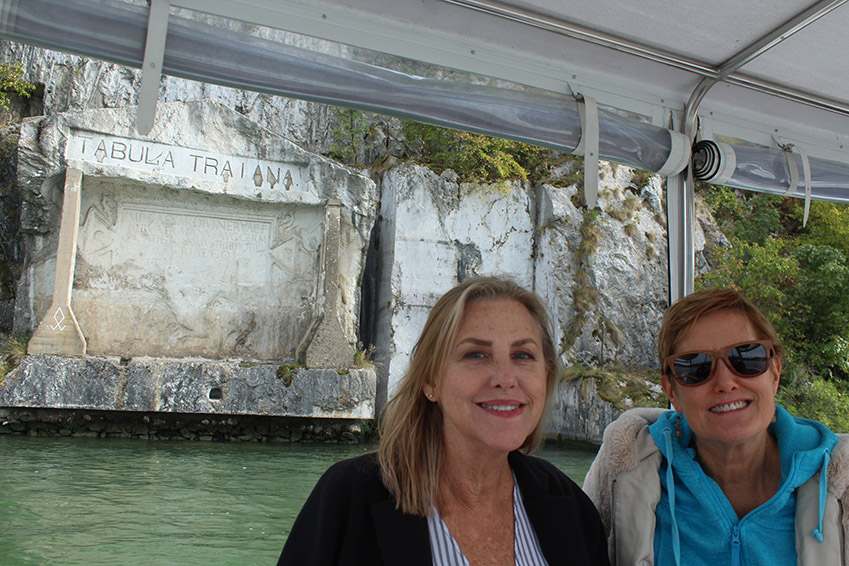
Later, a boat ride through the Iron Gates Gorge brings the landscape into perspective. Towering cliffs rise on both sides of the Danube as you pass Roman relics such as Tabula Traiana and the monumental rock carving of Dacian King Decebalus. Return to Belgrade in the evening.
Overnight: Hotel City Savoy 4★, Belgrade
4th Day – Novi Sad, Wine Traditions, and Crossing into Romania
Today the journey moves north into the fertile plains of
Vojvodina. The first stop is
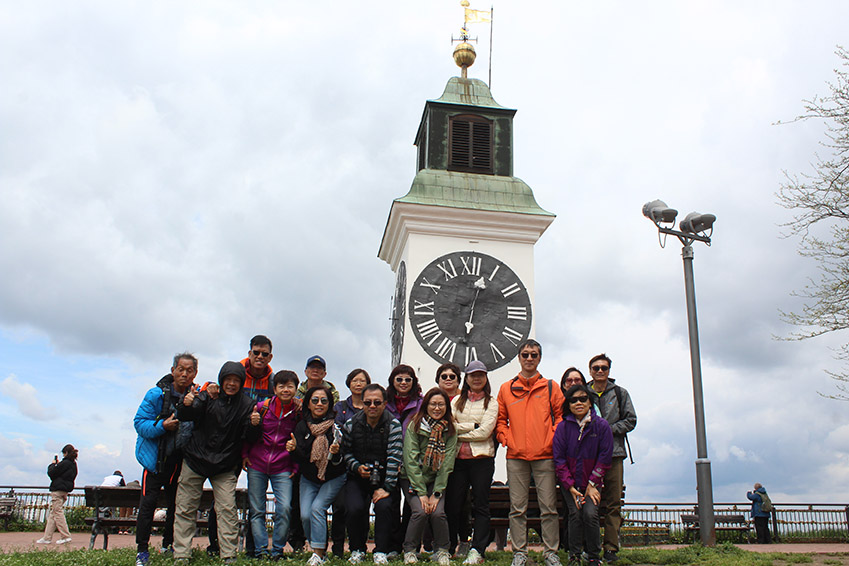
Petrovaradin Fortress, overlooking the Danube opposite Novi Sad. Often called the “Gibraltar on the Danube,” the fortress illustrates the defensive frontier of the Habsburg Empire. After exploring
Novi Sad’s historic center, the route continues to
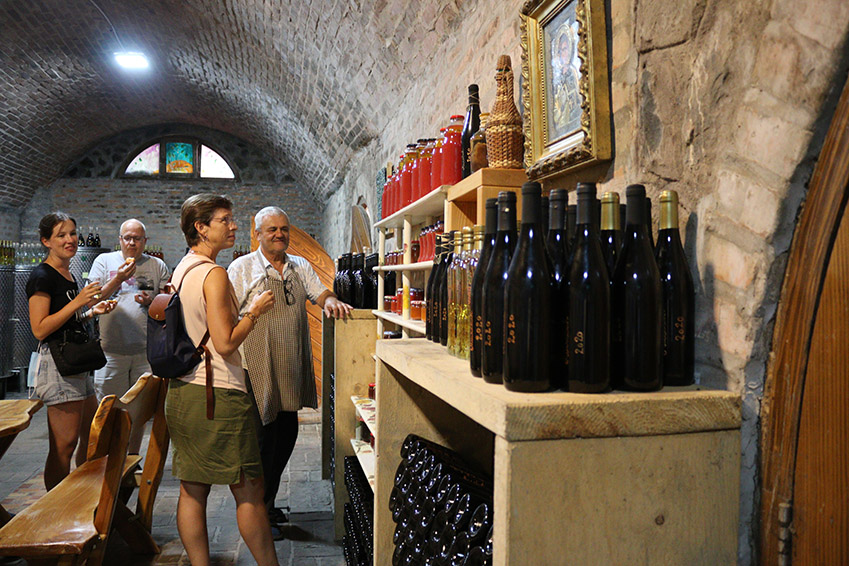
Sremski Karlovci, a small baroque town known for centuries of winemaking and religious history. Here you meet a local winemaker for a
private wine tasting and home-style lunch, where regional dishes are paired with wines from nearby vineyards.
In the afternoon the journey continues across the border to Timișoara, Romania—an elegant Central European city that once played a key role in the fall of communism.
Overnight: Atlas Hotel 4★, Timișoara
5th Day – Timișoara and Corvin Castle
From this point forward, the Romanian guide takes over the journey. The morning begins with a walking exploration of
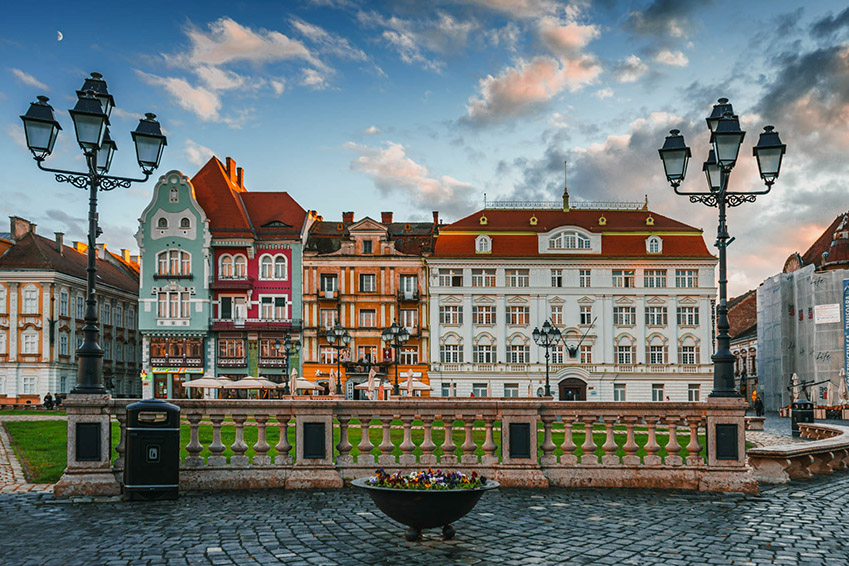
Timișoara, known for its grand squares, colorful façades, and strong Austro-Hungarian architectural influence. At
Revolution Square, you learn how events here in 1989 helped trigger the fall of Romania’s communist regime. Later, travel into Transylvania to visit
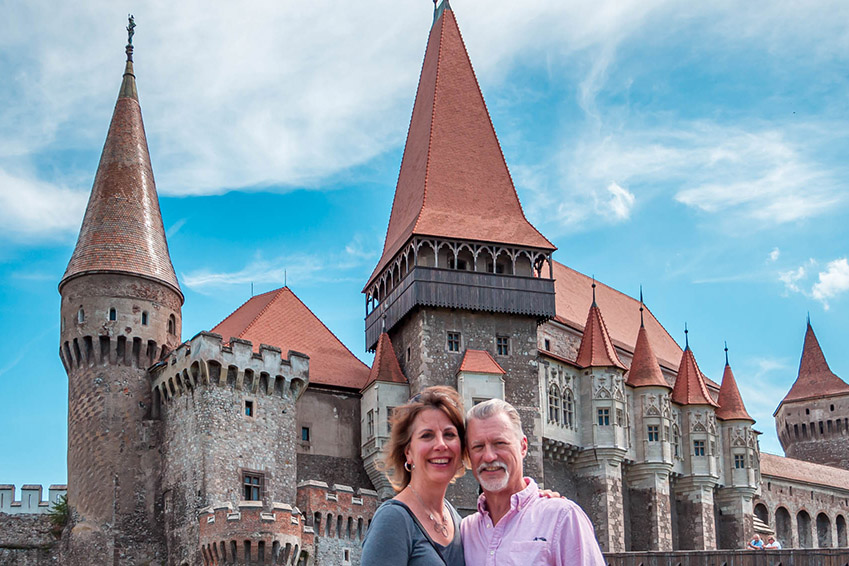
Corvin Castle in Hunedoara, one of Europe’s most impressive Gothic fortresses. The castle’s towers, courtyards, and legends—including connections to Vlad the Impaler—create one of the most atmospheric sites in Romania. By evening you arrive in
Sibiu, a beautifully preserved Saxon town surrounded by the Carpathian Mountains.
Overnight: Art Hotel 4★, Sibiu
6th Day – Saxon Villages and Medieval Sighisoara
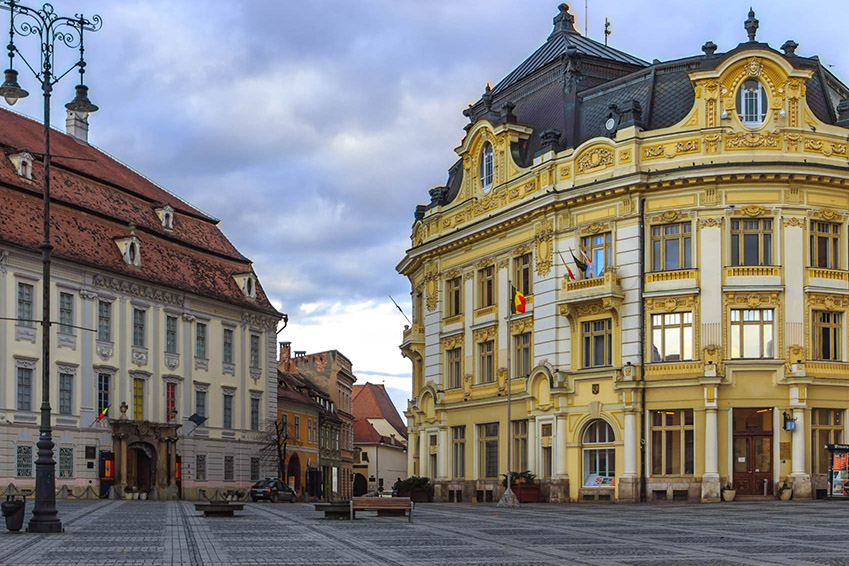
Before leaving Sibiu, take time to walk through its pastel-colored squares and narrow passages that reflect centuries of German-Saxon settlement in the region. En route to Sighisoara, visit the
fortified church of Biertan, one of the best examples of the defensive church complexes built to protect local communities during the medieval period. A stop at a
Roma coppersmith workshop provides insight into a traditional craft still practiced today. Arriving in
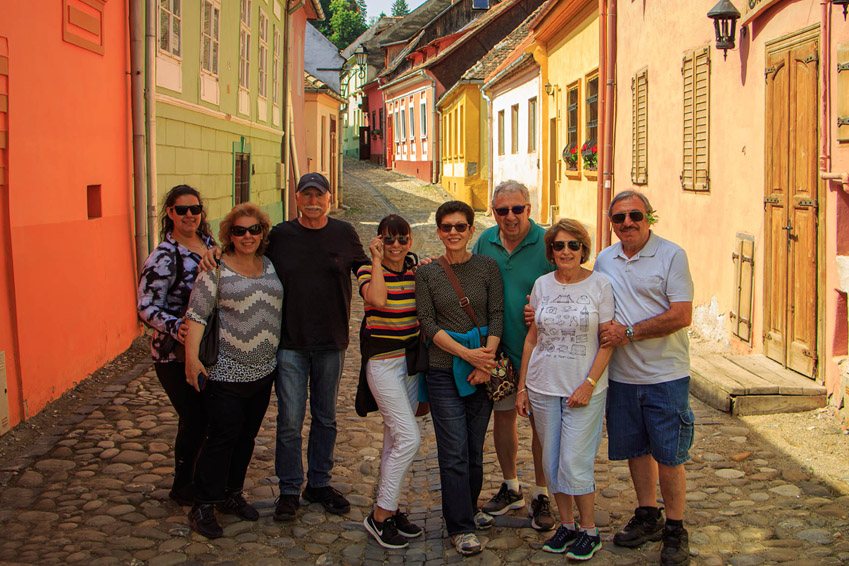
Sighisoara, one of Europe’s best-preserved medieval citadels, you walk through cobbled streets, climb the
Clock Tower, and explore the birthplace of
Vlad the Impaler, the historical figure behind the Dracula legend.
Overnight: Fronius Residence 4★, Sighisoara
7th Day – Transylvania to Brașov via Viscri
Today’s drive moves deeper into rural Transylvania. The first stop is
Viscri, a UNESCO-listed Saxon village where traditional farming life continues largely unchanged. Here you enjoy a
traditional Transylvanian lunch and visit the village’s fortified church. In the afternoon you arrive in
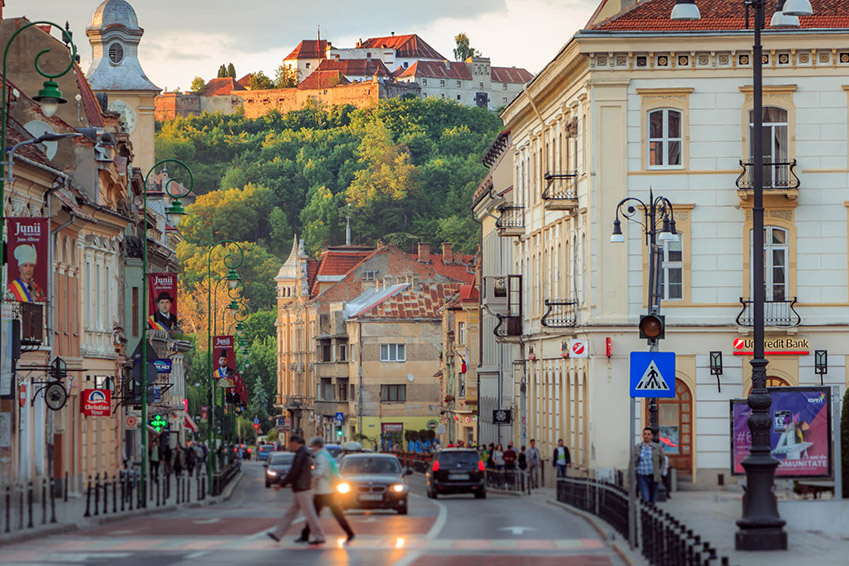
Brașov, a medieval trading city surrounded by mountains. A walking tour introduces the
Council Square, merchant houses, and the imposing
Black Church, the largest Gothic church in Eastern Europe.
Overnight: Hotel Vila Katharina 4★, Brașov
8th Day – Bran Castle and Peleș Royal Residence
The day begins with a visit to
Bran Castle, widely associated with the
Dracula legend. Inside the castle you learn the historical background behind the myth and the role the fortress played in regional history. The journey continues to
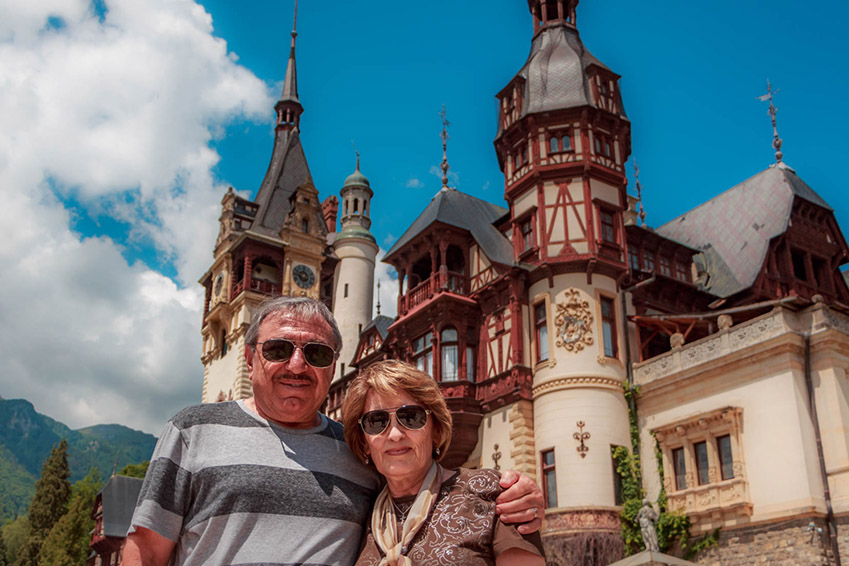
Peleș Castle in Sinaia, a former royal residence set in the Carpathian Mountains. Built in the 19th century, the castle reflects Romania’s royal ambitions and European connections during the modern era. By evening you arrive in
Bucharest, Romania’s capital.
Overnight: Cismigiu Hotel 4★, Bucharest
9th Day – Bucharest: The Paris of the East
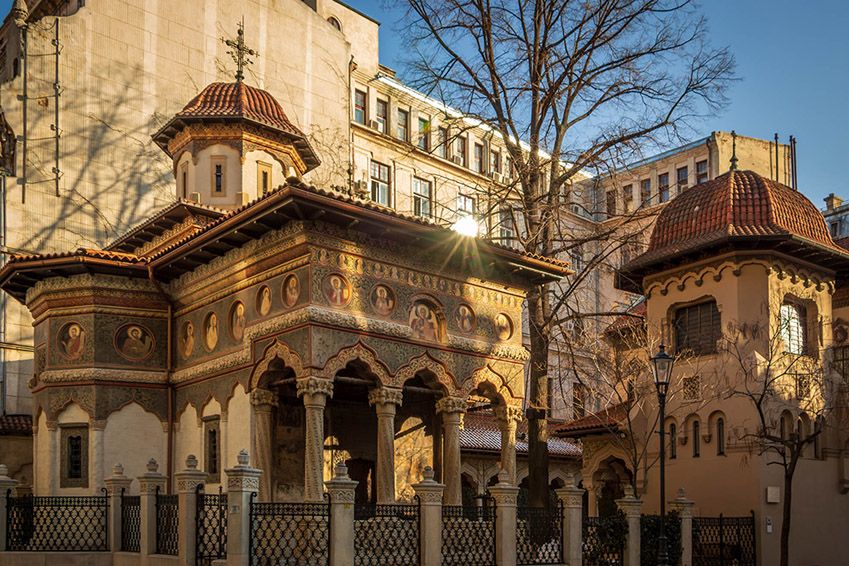
Today’s exploration focuses on Bucharest’s layered history. Walking through the city reveals a mixture of
Belle Époque architecture, communist-era boulevards, and modern urban life. You visit
Revolution Square, the historic
Victory Avenue, and the immense
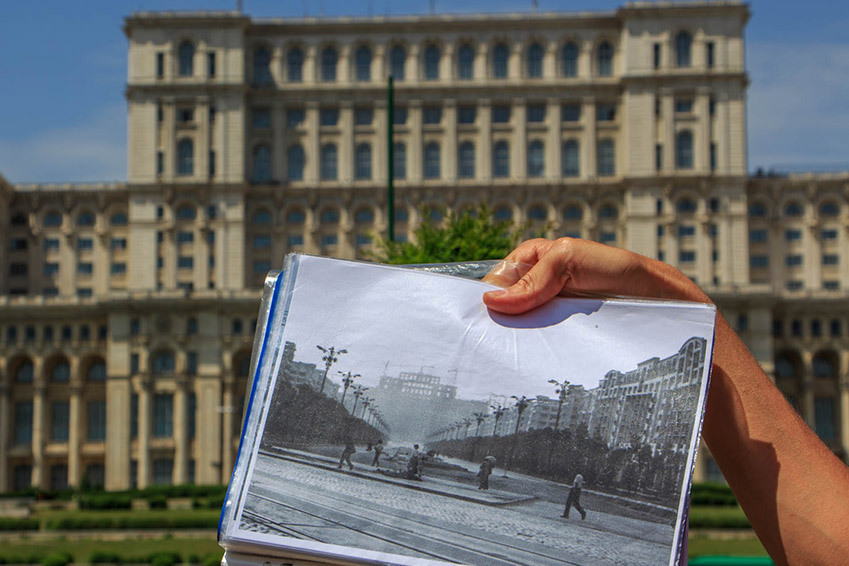
Palace of Parliament, one of the largest administrative buildings ever constructed. In the evening, the journey concludes with a
farewell dinner at a traditional Romanian restaurant, where you can reflect on the experiences of the past ten days.
Overnight: Cismigiu Hotel 4★, Bucharest
10th Day – Departure
Depending on your departure time, there may be an opportunity for a short walk through the city or a relaxed breakfast before transfer to
Bucharest Airport for your onward journey.
The End of the Tour
Tour Prices
Prices are per person.
What’s Included
✔Airport arrival and departure transfers
✔Private transportation throughout the tour
✔Licensed tour guide service
✔9 nights with breakfast in 4★ hotels
✔Meals explicitly mentioned in the itinerary
✔All admission fees and scheduled activities
✔Bottled water during drives
Not Included
✘International airfare
✘Travel insurance
✘Meals not listed in the itinerary
✘Personal expenses
✘Gratuities
FAQ – Good to Know Before You Travel
1. Is this tour truly private or a private option within a group departure?
This is a fully private journey. The itinerary is operated only for your party, and you will not join any shared departures or combined groups during the tour.
2. Will changing guides at the border feel disruptive?
No. The transition usually happens smoothly during the day’s route. Many guests actually appreciate this structure because each guide explains their own country from a deeper local perspective.
3. How demanding is the sightseeing during the tour?
The tour is designed for relaxed exploration rather than physical challenge. Most days include walking through historic town centers, fortresses, and villages, typically broken into shorter segments with time to rest.
4. Can this tour start in Romania instead of Serbia?
Yes. The tour can also be operated in reverse, starting in Bucharest and finishing in Belgrade.The itinerary remains largely the same but is simply followed in the opposite direction — beginning with Bucharest and Transylvania before continuing toward Belgrade and Serbia. Many guests choose this option depending on flight availability or travel plans in the region. We coordinate guides and timing so the transition between countries remains smooth.
5. Are the castles in Romania very crowded?
Sites such as Bran Castle can attract visitors, especially during peak seasons. Visiting with a guide helps navigate the timing and context, focusing on the historical story rather than only the Dracula legend.
6. Can the itinerary be adjusted if we have special interests?
Yes. The tour can be adjusted at the planning stage to better match your interests, preferred pace, and travel style. While the overall route between Serbia and Romania remains broadly the same, certain visits, timing, and emphasis can usually be adapted during the booking process.
7. What kind of travelers usually choose this tour?
Most guests are experienced travelers who have already visited much of Western Europe and want to understand a region that feels less familiar. The tour is particularly suitable for couples interested in history, culture, and landscapes.
8. Is the region safe for international travelers?
Yes. Both Serbia and Romania are stable and welcoming destinations for visitors. Traveling with a local guide also helps remove uncertainties related to language, navigation, and logistics.
9. Are lunches included during the tour?
Some lunches are included when they are part of a planned local experience, such as meals hosted by a local family, winery visits, or traditional village restaurants along the route. On other days, lunch is not pre-arranged so guests can choose freely based on appetite, location, and preferences. Your guide will recommend suitable local restaurants and help organize timing so the day continues smoothly.
10. When is the best time of year for this tour?
Spring and early autumn are particularly pleasant because of mild temperatures and fewer visitors in historic towns. Summer works well for mountain regions, while winter tours operate on request with adjusted pacing.
11. Can we add extra nights before or after the tour?
Yes. Additional nights in Belgrade before the tour and/or in Bucharest after can be arranged on request.
12. How does booking and payment work?
You send an inquiry with preferred dates, number of travelers, and requests. After availability is confirmed, you pay a deposit (credit card online or bank transfer), receive booking confirmation, and pay the remaining balance within 15 days prior to the tour.
📅 Peak Season Fills Up Fast!
Spring, summer, and autumn dates sell out quickly. Booking early guarantees your ideal travel dates and the best selection of accommodations.
INQUIRE NOW!
Copyright policy