Serbia, Slovenia & Croatia Private Tour – 12 Days from Belgrade to the Adriatic
Travel from Belgrade to the Adriatic on a Serbia Croatia Slovenia private tour that makes the region easier to understand.
Tour at a Glance
DURATION
13 days, 12 nights
GETTING AROUND
Driven and walking
AVAILABILITY
On request. Year round.
DIFFICULTY
Easy for everyone
What to Expect From the Serbia, Slovenia & Croatia Private Tour
On this Serbia Croatia & Slovenia private tour, the journey begins where the Danube and Sava meet in Belgrade and ends beneath the stone walls of Dubrovnik on the Adriatic. You might find yourself standing at Belgrade Fortress watching river traffic pass below, a few days later rowing across Lake Bled toward its island church, and later tasting oysters pulled from the Adriatic minutes earlier. Between Roman ruins, Yugoslav landmarks, Alpine lakes, and vineyard conversations, a clearer picture begins to emerge: how one former country became three distinct identities.
Highlights
- Three capitals shaped by different empires
Belgrade, Zagreb, and Ljubljana may seem geographically close, yet each reflects a different political and cultural history. Seeing them in sequence helps make sense of how Ottoman, Habsburg, and Central European influences shaped the region.
-
Istria’s food landscape
In Istria you experience one of the most distinctive culinary regions in the Balkans: truffle forests, family wineries, and coastal seafood traditions. These stops help explain why the peninsula’s cuisine feels closer to northern Italy than inland Croatia.
-
Plitvice Lakes and the transition to Dalmatia
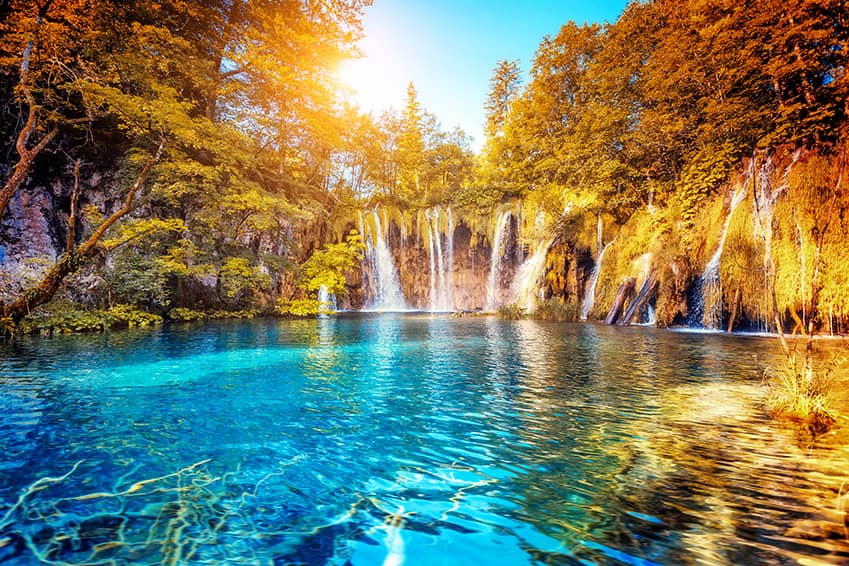
Walking through the cascading lakes of Plitvice marks a clear shift from Central European landscapes toward the rocky coast of Dalmatia. It’s one of the moments where the geography of the region becomes visually obvious.
- Private travel that adapts to the day
Because this is a private journey, days are not timed around group logistics. If a viewpoint, conversation, or lunch extends naturally, the rhythm adjusts. This flexibility allows moments of understanding to happen without pressure.
Tour Flow
1st Day – Arrival in Belgrade
Upon arrival, your guide meets you at the airport, bus, or train station. After transfer and check-in, the remainder of the day is intentionally light, allowing time to recover from travel or explore nearby streets at your own pace. Your guide provides practical recommendations for the evening.
Overnight: Royal Inn Hotel 4★, Belgrade
2nd Day – Understanding Belgrade
The day begins in the pedestrian zone of
Knez Mihailova Street before reaching
Belgrade Fortress, where the Sava and Danube rivers meet — a geographical position that explains much of Serbia’s history. A panoramic drive through New Belgrade introduces Yugoslav-era architecture and modern developments such as Belgrade Waterfront. In Dedinje, the
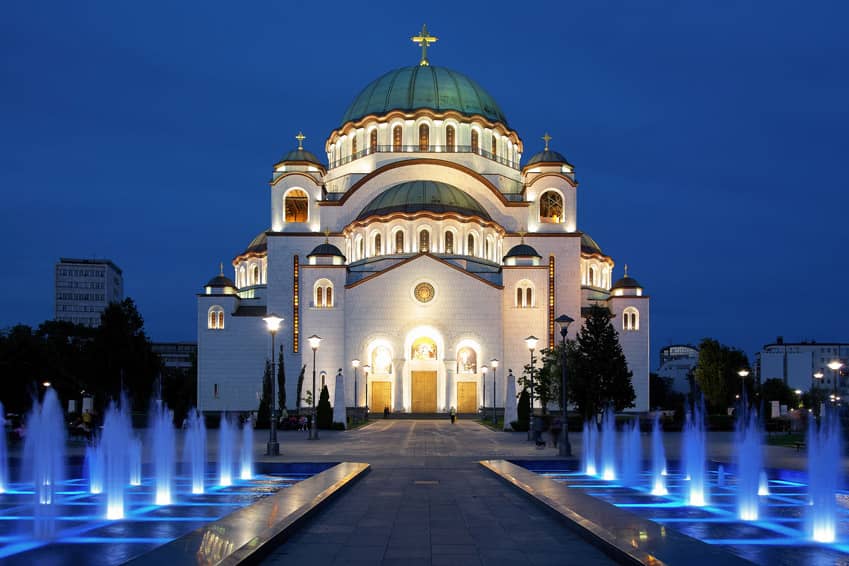
Museum of Yugoslavia offers insight into Tito and the former federation. The visit to Saint Sava Church reveals both religious and contemporary Serbian identity. The afternoon remains free for independent exploration.
Overnight: Royal Inn Hotel 4★, Belgrade
3rd Day – From Belgrade to Zagreb and Ljubljana
After departure from Belgrade, the route leads to Zagreb. In the historic Upper Town and around
Ban Jelačić Square, you begin to see how Croatia’s Central European influences differ from Serbia’s Ottoman and Balkan layers. After lunch, the journey continues to Slovenia with a stop at
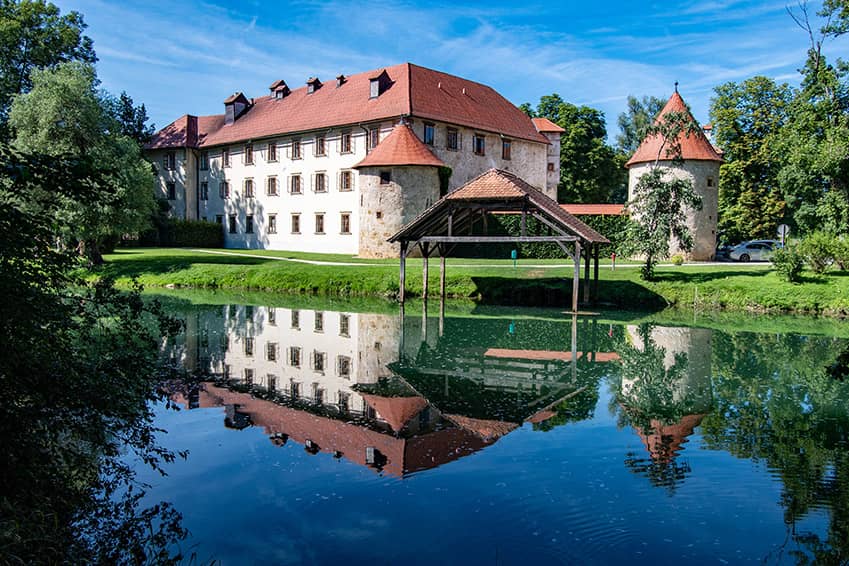
Otočec Castle on the Krka River. By evening, you arrive in Ljubljana and settle in.
Overnight: Best Western Hotel 4★, Ljubljana
4th Day – Ljubljana and Lake Bled
Ljubljana’s scale makes it easy to explore on foot. Along the
Ljubljanica River, the Cathedral, Town Hall, Main Square, and
Triple Bridge illustrate Slovenia’s blend of Habsburg legacy and modern identity. Later,
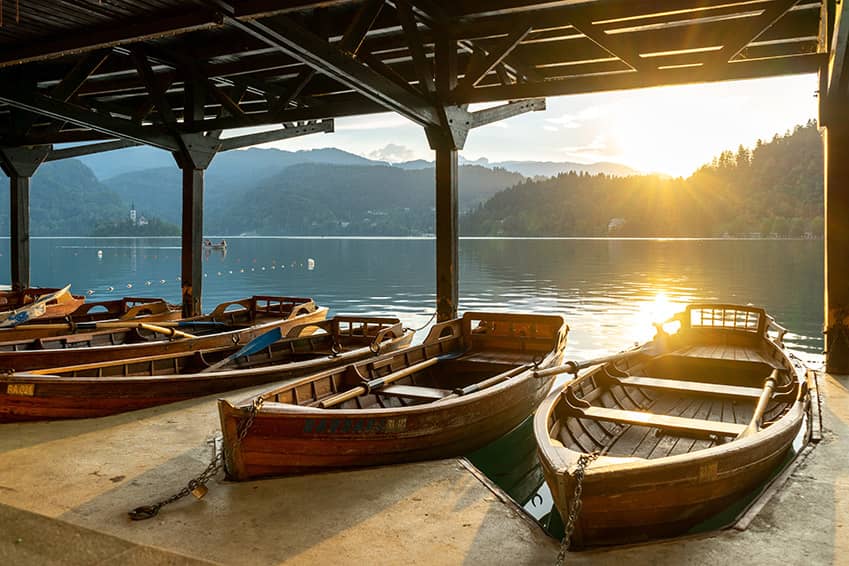
Lake Bled offers a change of landscape. A traditional pletna boat takes you to the island church, while Bled Castle provides panoramic alpine views. Returning to Ljubljana, you have free time for dinner and evening walks.
Overnight: Best Western Hotel 4★, Ljubljana
5th Day – Postojna Cave, Wine Country and Portorož
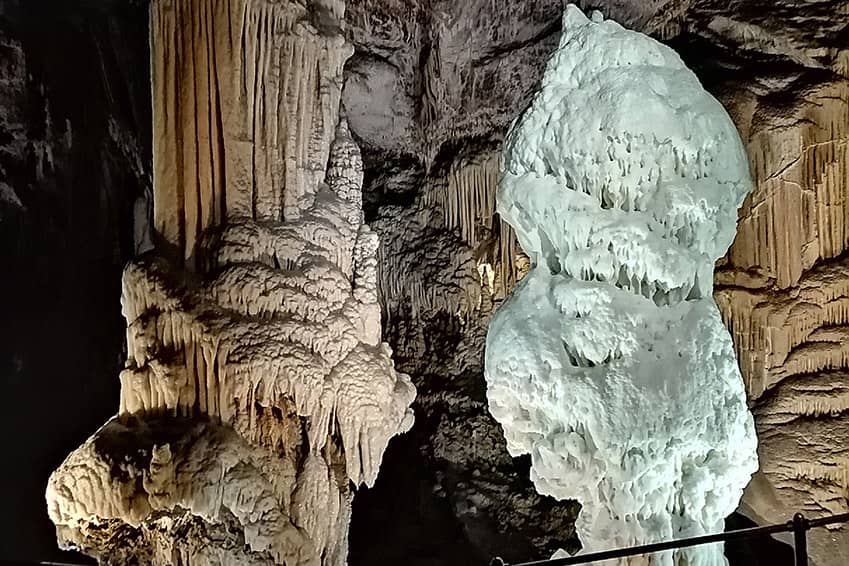
Postojna Cave introduces Slovenia’s karst landscape, explored partly by electric train through dramatic underground formations. In
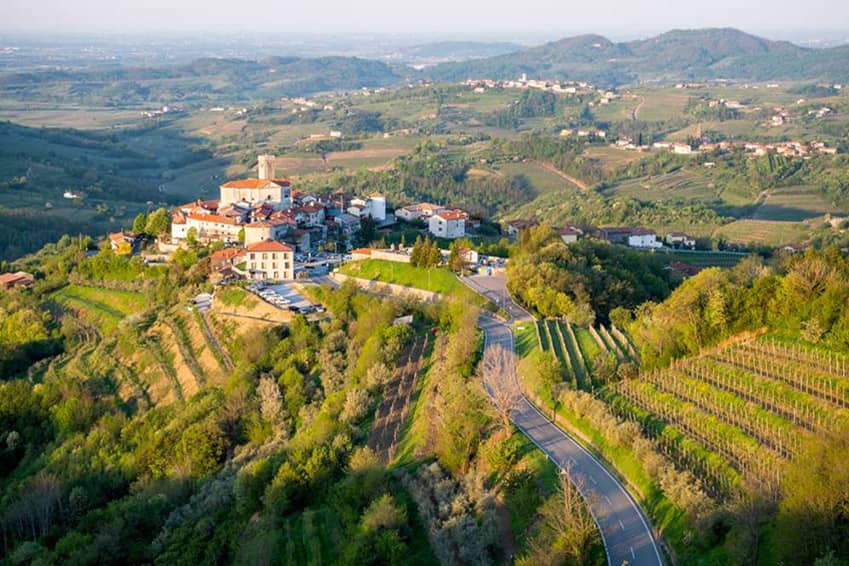
Goriška Hills, wine tasting in the medieval village of
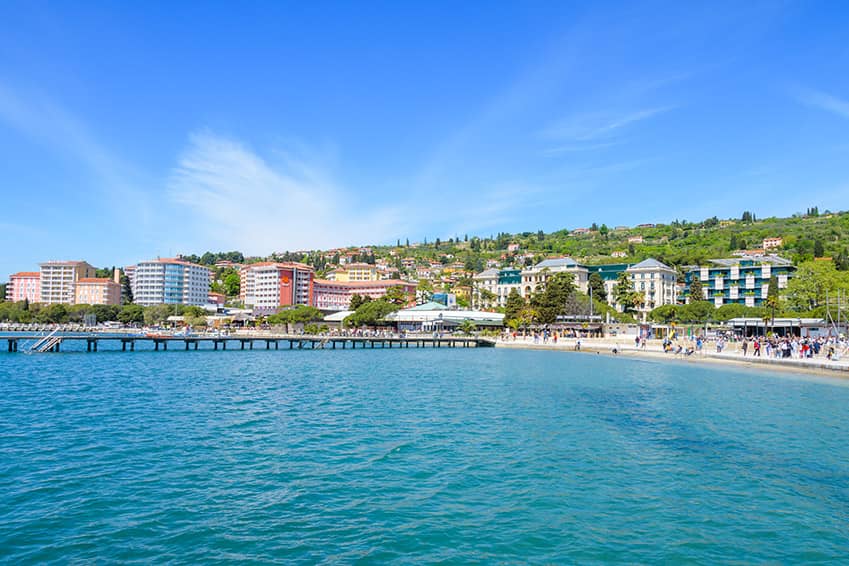
Šmartno reflects the meeting point of Slovenian and Italian traditions. The day ends by the Adriatic coast in Portorož.
Overnight: Hotel Neptun 4★, Portorož
6th Day – Istria and Truffle Hunting
After check-out, Grožnjan’s artistic atmosphere offers a quiet introduction to Croatian
Istria. In nearby forests, a guided truffle-hunting demonstration explains why this region is known for its gastronomy. The tasting that follows connects forest, table, and tradition.
Motovun’s hilltop views provide geographical perspective before arriving in
Poreč for the evening.
Overnight: Valamar Diamant Hotel 4★, Poreč
7th Day – Rovinj, Lim Bay and Pula
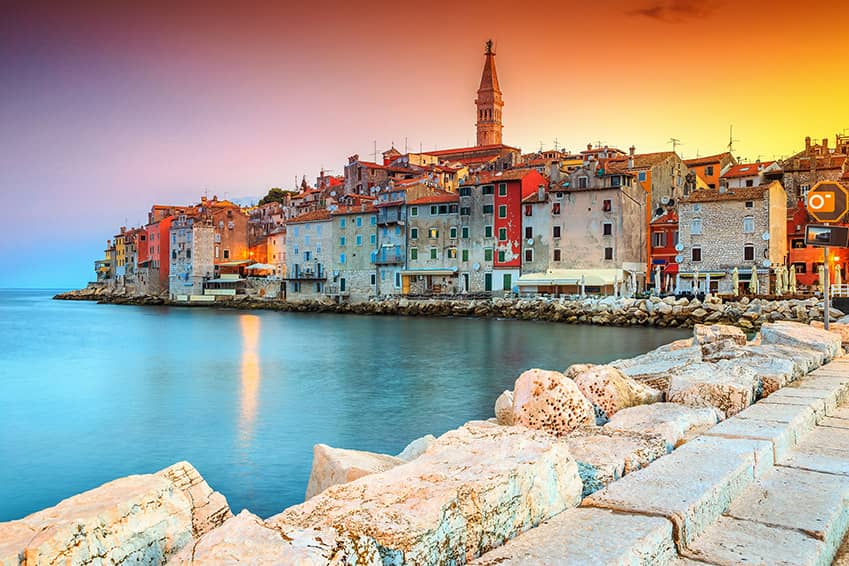
Rovinj reflects centuries of Venetian influence in its harbor and narrow stone streets. At
Lim Bay, oysters and seafood are enjoyed directly near the source, offering insight into Adriatic maritime life. A visit to a family-owned winery highlights Istrian varietals shaped by local soil. In
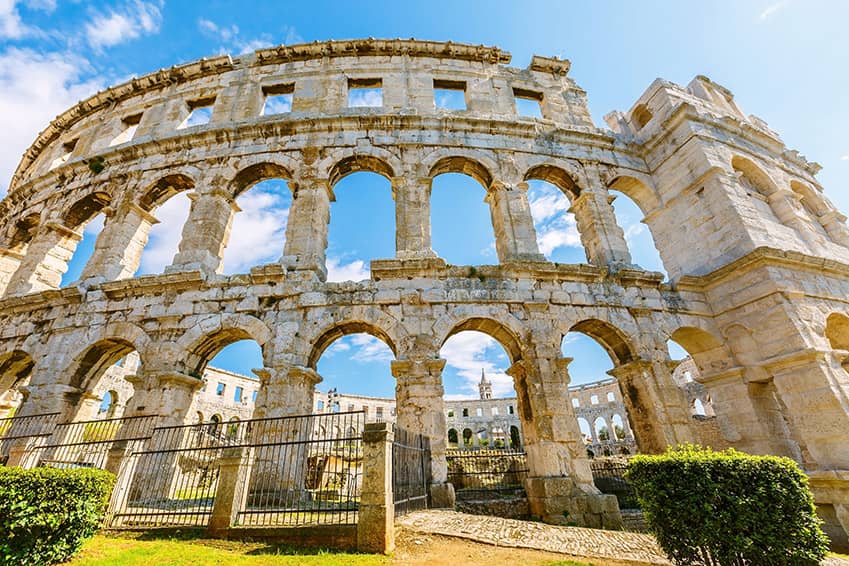
Pula, Roman heritage dominates — especially the remarkably preserved
amphitheater — before returning to Poreč.
Overnight: Valamar Diamant Hotel 4★, Poreč
8th Day – Plitvice Lakes National Park
Leaving Istria, a short stop in
Opatija introduces its Austro-Hungarian seaside elegance. At
Plitvice Lakes National Park, a guided walk across wooden pathways and around cascading lakes explains why this was the first UNESCO-listed site in the Balkans. The setting feels remote and quiet, especially outside peak hours.
Overnight: Plitvice Inn 4★, Plitvice Area
9th Day – Trogir and Split
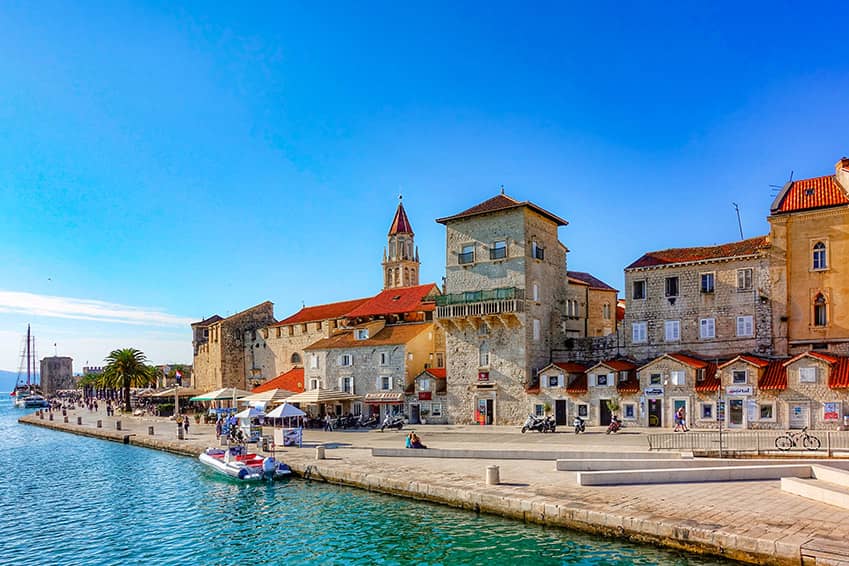
Trogir’s compact island setting allows a focused walk through layers of Romanesque, Gothic, and Renaissance architecture. In Split,
Diocletian’s Palace remains integrated into daily life rather than preserved as a monument alone. Walking through the Golden Gate,
Temple of Jupiter, and Cathedral reveals how ancient and modern coexist.
Overnight: Hotel Globo 4★, Split
10th Day – Hvar Island
A high-speed catamaran brings you to
Hvar Island. Its harbor, cathedral, and monastic complexes reflect Venetian maritime power. Free time allows personal choice: beaches, short hikes, boat excursions to the
Pakleni Islands, or a relaxed Mediterranean lunch. By evening, return to Split.
Overnight: Hotel Globo 4★, Split
11th Day – Pelješac Peninsula, Ston and Dubrovnik
Driving south along the
Dalmatian coast, vineyards and stone villages dominate the landscape. On the
Pelješac Peninsula, a winery visit introduces Plavac Mali and the region’s long-standing viticulture. In
Ston, oysters are sampled close to their cultivation beds, and the medieval defensive walls illustrate the town’s former importance. Arrival in Dubrovnik follows in the evening.
Overnight: Hotel Lapad 4★, Dubrovnik
12th Day – Dubrovnik
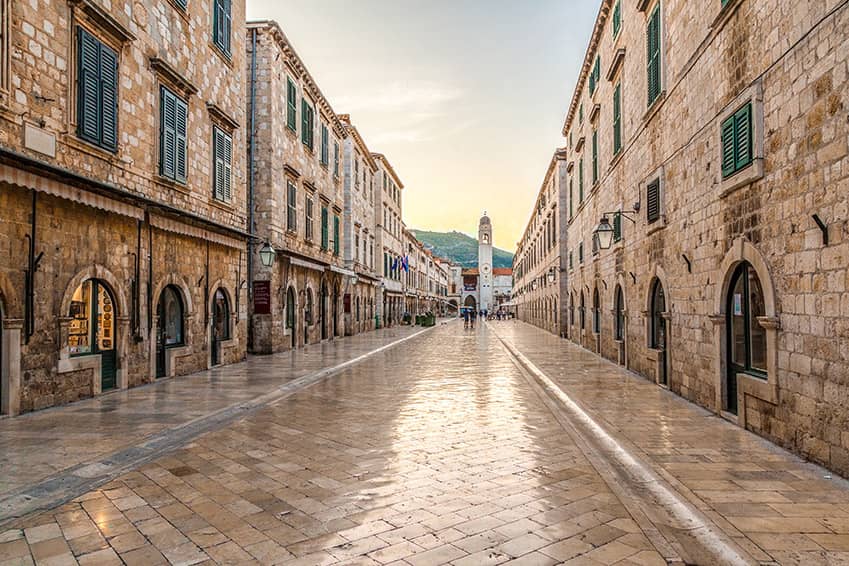
Walking through
Stradun and the
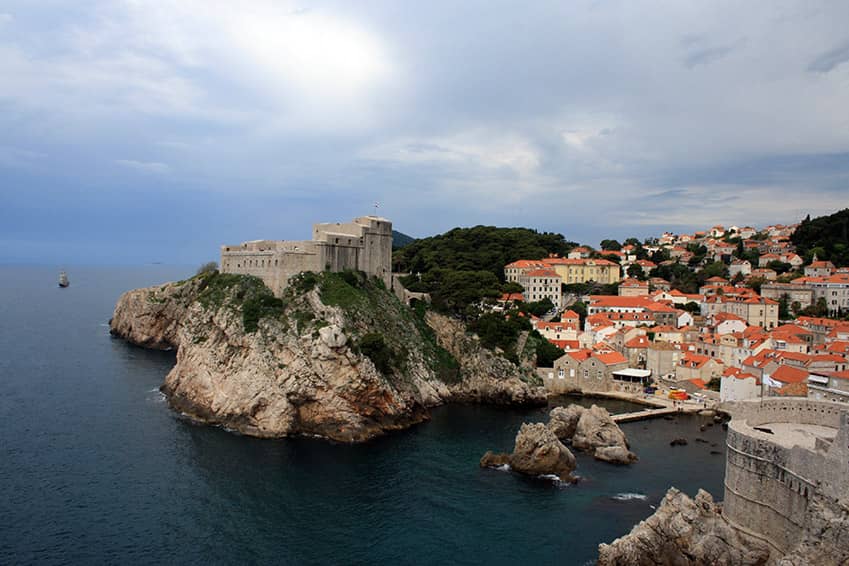
Old Town, you learn about the Republic of Ragusa and its diplomatic independence. The
City Walls provide perspective on both defense and trade. Optional time in the afternoon allows exploration at your own pace — including a cable car ride to
Mount Srđ or a walk along the full wall circuit. A sunset cruise aboard the replica galleon Karaka offers a final coastal perspective.
Overnight: Hotel Lapad 4★, Dubrovnik
13th Day – Departure
Transfer to Dubrovnik Airport according to your flight schedule. Depending on departure time, there may be opportunity for a short walk or coffee before leaving.
End of the Balkan Countries Tour Package
Tour Prices
Prices are per person.
What’s Included
✔Airport arrival and departure transfers
✔Private transportation throughout the tour
✔#YourSerbiaHost as tour leader (guide in Serbia)
✔12 nights with breakfast in 4★ hotels
✔Meals explicitly mentioned in the itinerary
✔All admission fees and scheduled activities
✔Bottled water during drives
Not Included
✘International airfare
✘Travel insurance
✘Meals not listed in the itinerary
✘Personal expenses
✘Gratuities
FAQ – Good to Know Before You Travel
Is this tour fully private or a private option within a group departure?
This is a fully private tour. You travel only with your party, accompanied by your guide throughout the journey. The daily schedule can be adjusted to your pace and interests rather than following a fixed group timetable.
2. Where does the tour start and where does it end?
The journey begins in Belgrade, Serbia, and ends in Dubrovnik, Croatia. Airport pick-up in Belgrade and airport drop-off in Dubrovnik are included according to your flight schedule.
3. How many border crossings are involved on this route?
During the tour you cross several borders: Serbia–Croatia, Croatia–Slovenia, Slovenia–Croatia again when entering Istria, and later internal travel within Croatia toward Dalmatia and Dubrovnik. These crossings are normally straightforward and are handled during the drive with your guide coordinating timing and documents.
4. How long are the typical driving days?
Most travel days include 2–4 hours of driving, broken up by sightseeing stops, towns, and scenic viewpoints. The longest travel segment is the transition from the Istrian peninsula toward Plitvice Lakes and later toward Dalmatia.
5. What makes the route through Istria special on this tour?
Istria introduces a different atmosphere from inland Croatia and Slovenia. The peninsula is known for hilltop villages, truffle forests, olive groves, and family wineries, which is why the itinerary includes truffle experiences, wine tastings, and visits to towns such as Rovinj, Motovun, and Grožnjan.
6. Will we visit both Lake Bled and Postojna Cave in Slovenia?
Yes. The Slovenia section of the tour includes Lake Bled, known for its island church and Alpine setting, and Postojna Cave, one of the most extensive karst cave systems in Europe. These two places show very different sides of Slovenia’s landscape.
7. Is the visit to Plitvice Lakes a long hike?
No. The visit to Plitvice Lakes National Park follows a combination of wooden walking paths, short trails, and park transportation. The total walking time is usually around 2–3 hours at a relaxed pace, with frequent stops for viewpoints.
8. Is Hvar Island included as a guided excursion or free exploration?
You travel to Hvar Island by ferry from Split and explore the historic town with your guide. After the orientation walk, there is free time to enjoy the harbor, cafés, or nearby beaches before returning to Split later the same day.
9. Are wine and food experiences included along the route?
Yes. The itinerary includes wine tastings in Slovenia and Croatia, a truffle experience in Istria, and opportunities to taste fresh oysters near Ston. These stops are integrated into the journey rather than treated as separate excursions.
10. What kind of hotels are used during the tour?
The tour uses centrally located 4-star hotels and carefully selected boutique properties in each destination. These hotels are chosen for comfort, location, and ease of access to historic centers and main sights.
11. Dubrovnik very crowded, and will we still be able to enjoy it?
Dubrovnik can be busy during peak hours, especially when cruise ships are in port. Your guide schedules the city walk strategically and provides suggestions for exploring the old town and surrounding viewpoints at quieter times.
12. Who is this tour best suited for?
This tour works best for travelers who want to understand the region while moving through several countries at a comfortable pace. It is especially suitable for couples or small private groups interested in history, landscapes, and regional cuisine rather than fast-paced sightseeing.
13. How does booking and payment work?
You send an inquiry with preferred dates, number of travelers, and requests. After availability is confirmed, you pay a deposit (credit card online or bank transfer), receive booking confirmation, and pay the remaining balance within 15 days prior to the tour.
Copyright policy